JAPAN HR FOR SCALING COMPANIES
Every growing company in Japan hits the same walls.You can see them coming.
Field notes on the organizational problems that appear at 30, 50, 100 and 300 people — and the moves to make before they arrive. Written from inside Japanese companies by an HR leader who has run HR at Recruit, SMS and Asoview.
You can contact us in English or Japanese.
Who this is for
Investors with Japanese portfolio companies
Spot the people problems behind a growth plan before they show up in the numbers.
HR leaders of global companies
Understand why global job leveling and performance review frameworks behave differently once they land in a Japanese entity.
Founders scaling in Japan
Know which HR move belongs to which stage, so you build the system when it is needed — not too early, not too late.
The walls, stage by stage
Organizational problems always surface later than business problems. Headcounts are a guide; what matters is the change in how the organization works.
Latest insights
All articlesMIDDLE STAGE · 40–100
The 50-person wall: why your best performers struggle as managers
Promotion without authority is the fastest way to burn out your strongest people.
GROWTH STAGE · 100–300
Why mission-driven hires leave after two years
Three structural causes, and none of them is the people you hired.
SEED STAGE · UP TO 20
Three signals it's time to formalize your HR framework
It's not about headcount. Watch who is reviewing whom, and whether your managers can run the process.
CLIENTS
Trusted by Japanese companies, from startups to enterprises
Our clients range from teams of under 20 people to companies with more than 1,000 employees. Clients include KOKUYO, Benesse Corporation, BuySell Technologies, kubell, PERSOL Digital Ventures, SP.LINKS (formerly Sony Payment Services), hacomono, Findy, BATONZ and MOTA. Projects are described on our Japanese site.
ABOUT THE AUTHOR
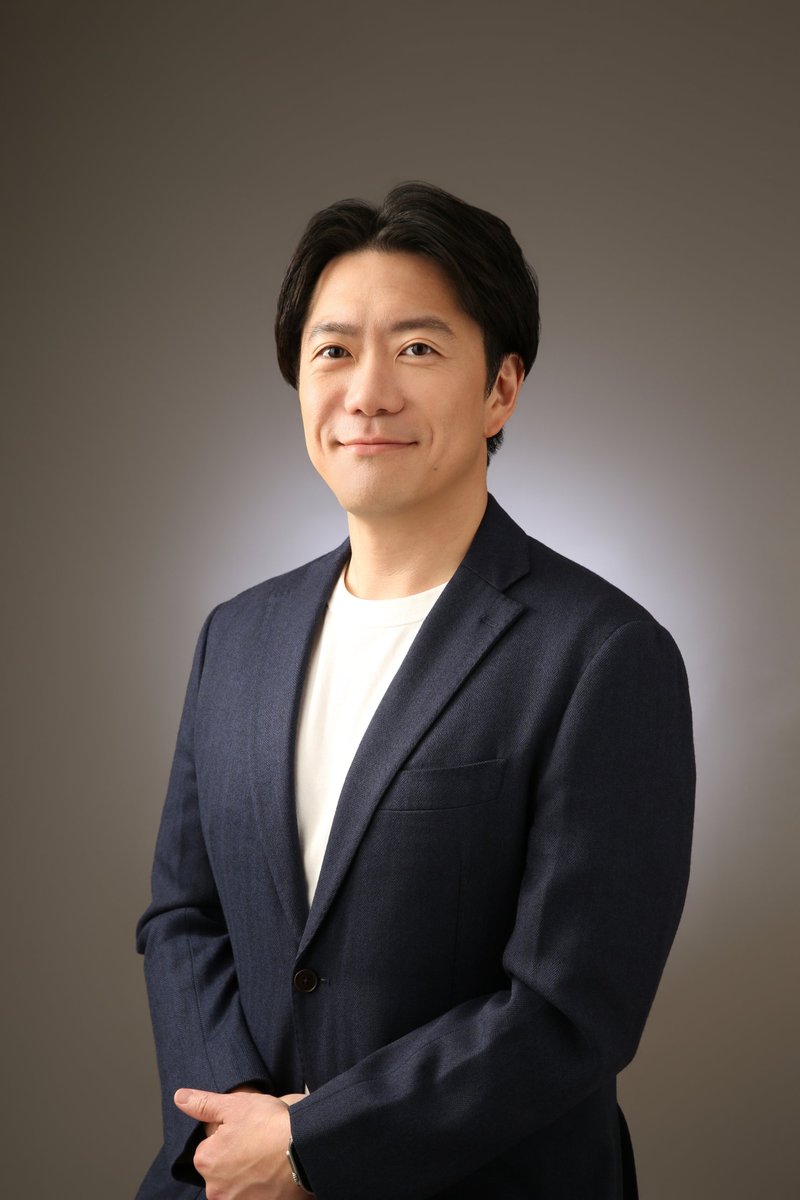
Yoichiro Mori
Representative Director of ASHR Inc., a strategic HR firm in Tokyo. At Recruit he worked on HR system design, HR business partnering and HR due diligence and post-merger integration in M&A. At SMS he was head of HR, including three years in Singapore as Head of Global HR for MIMS across Asia-Pacific, the Middle East and Europe. He was then CHRO of Asoview, and founded ASHR in 2023.
ASHR works with founders, CHROs and investment funds on HR strategy, job leveling and compensation design, and post-merger integration.
THE BOOK (JAPANESE EDITION)
成長組織の先読み人事戦略
Working title in English: Anticipatory HR Strategy for Growing Organizations. JMAM, 2026.
Currently available in Japanese only.
View on Amazon Japan
OUR APPROACH
Osekkai Jinji: HR that speaks up before it is asked
Osekkai is a Japanese word for well-meant, unrequested help. It is how ASHR and a network of former CHROs and HR heads work: we raise the problem before it becomes one, even when no one asked.
What Osekkai Jinji means